About Graphyte
Graphyte is a durable carbon removal company with a 100% delivery track record focused on helping companies achieve their sustainability goals.
By combining photosynthesis with practical engineering, Graphyte’s Carbon Casting process provides an immediate pathway for billions of tons of low-cost carbon removal with durability over 1,000 years. Graphyte investors include Breakthrough Energy Ventures, Prelude Ventures, Carbon Direct Capital, and Overture Ventures.
Leadership
-
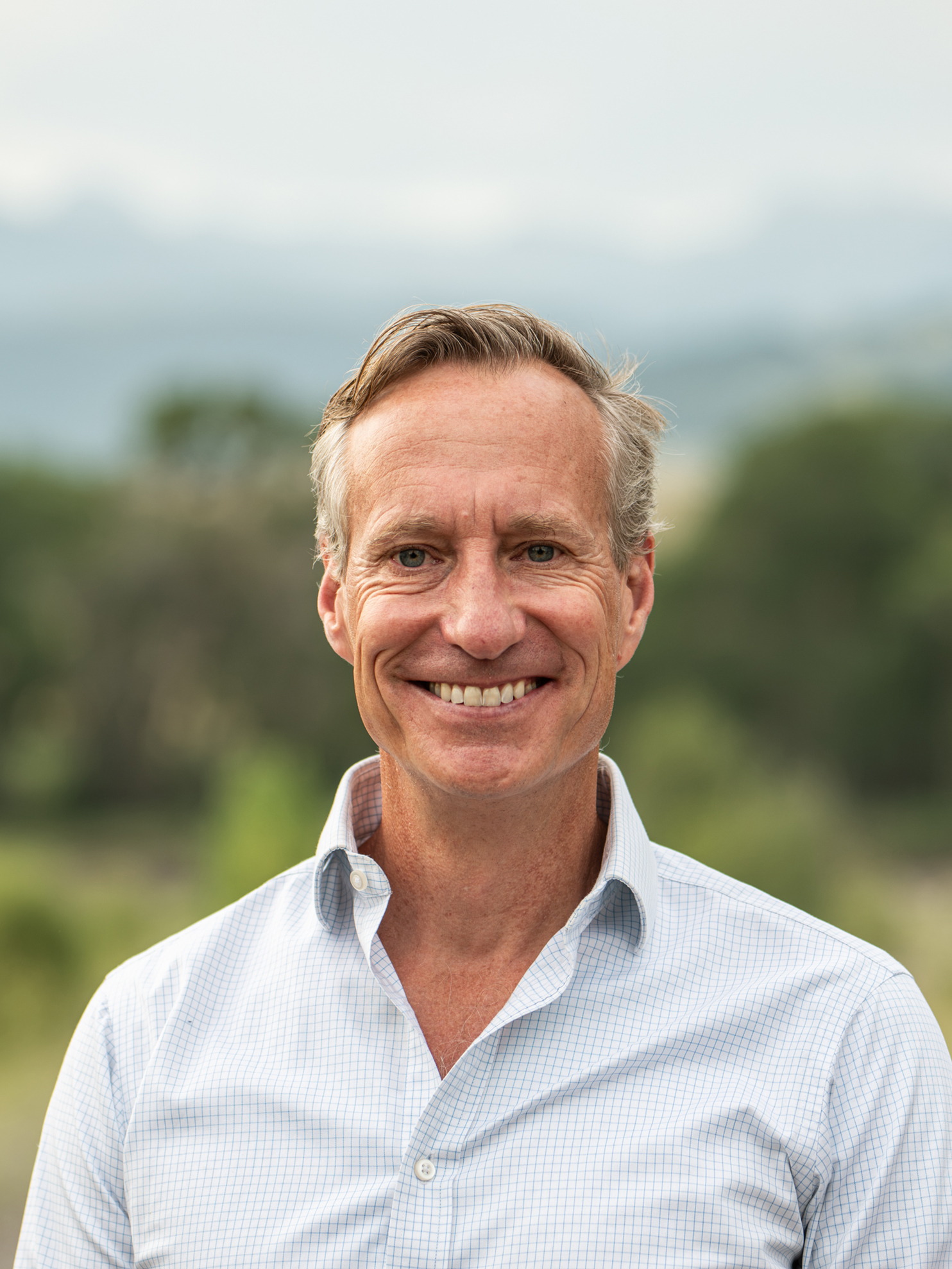
Barclay Rogers
Founder + CEO
Barclay is a seasoned executive with extensive carbon experience, including leading business development efforts for Indigo Agriculture (agricultural soil carbon removals) and overall development activities for C12 Energy (geologic carbon sequestration). Barclay holds an MBA from the University of Cambridge, an LLM from the University of Arkansas, a JD from Lewis & Clark college, and a B.S in Mechanical Engineering from the University of Arkansas.
-
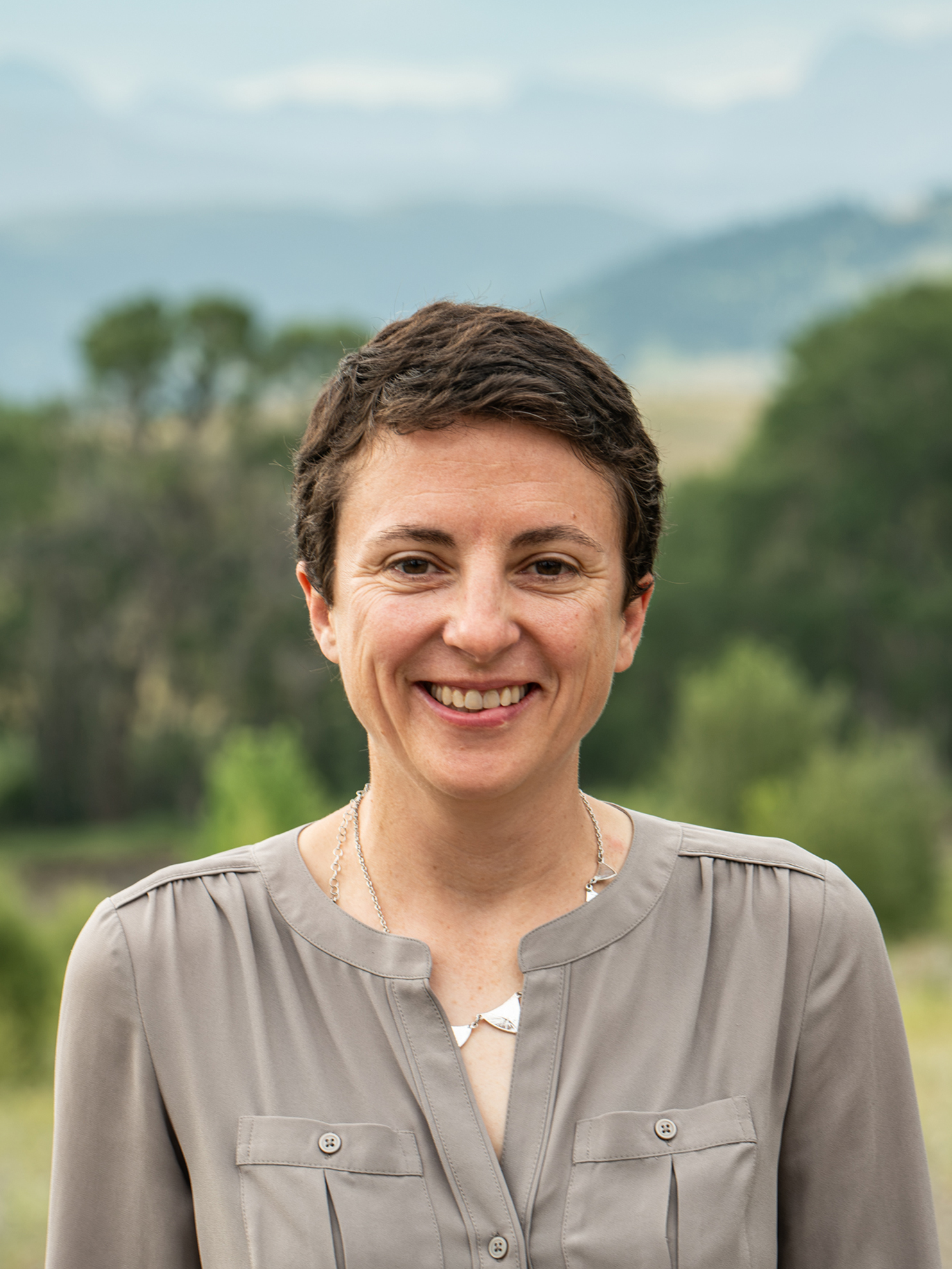
Hannah Murnen
CTO
Hannah is a proven leader in developing and scaling industrial technologies. She served as Managing Director of Activate Anywhere and Chief Technical Officer at Compact Membrane Systems. Hannah also spent several years with McKinsey and Company, advising industrial companies on growth strategy and operations. Hannah holds a PhD in Chemical Engineering from the University of California Berkeley and a Bachelor of Engineering from Dartmouth College.
-
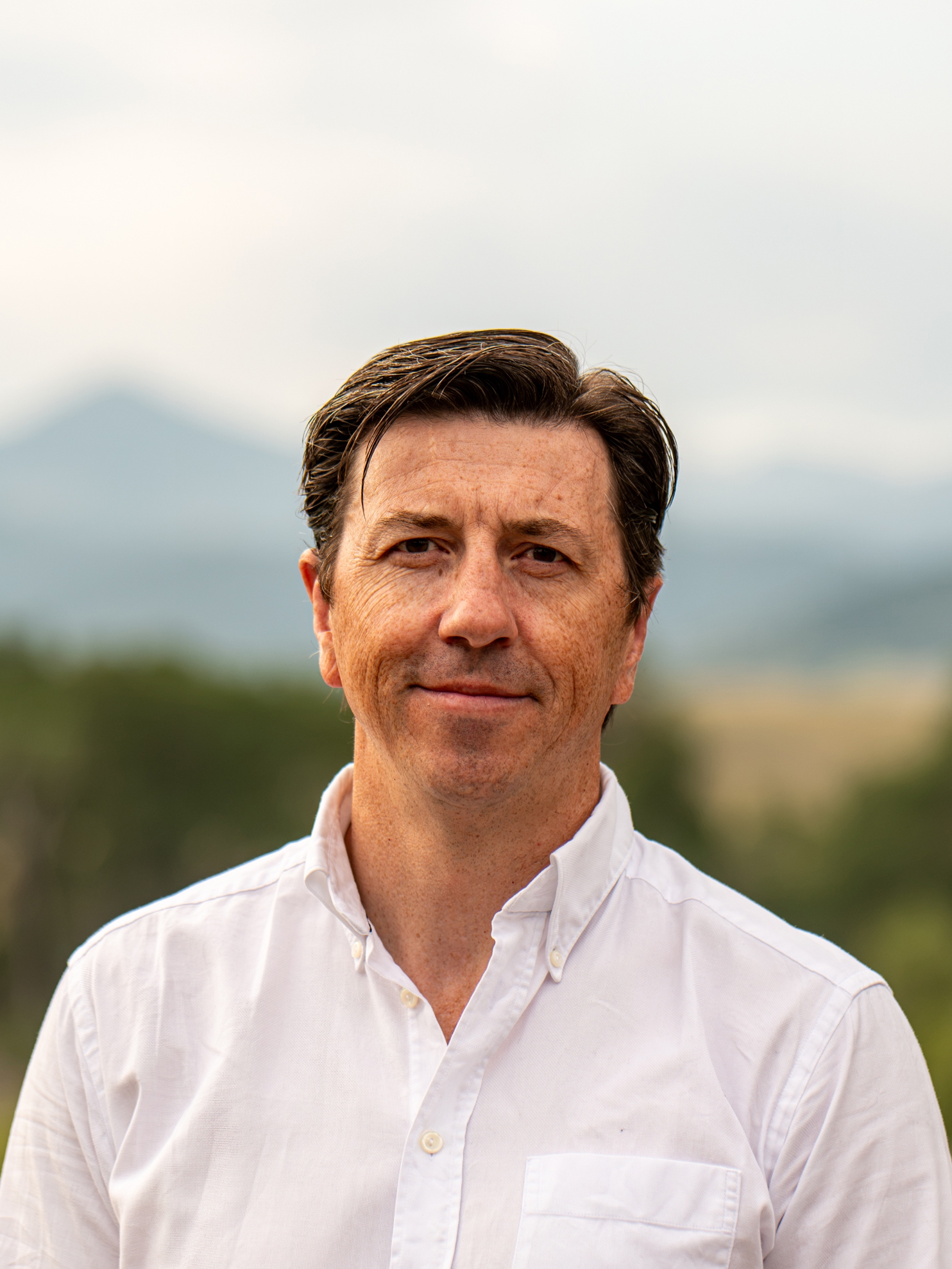
Rich Hasslacher
Chief Commercial Officer
Rich Hasslacher is the Chief Commercial Officer at Graphyte, Inc., a durable carbon removal company scaling Carbon Casting, a process that converts agricultural waste biomass into encapsulated carbon blocks for durable underground sequestration.
At Graphyte, Rich leads commercial strategy across offtake, partnerships, and marketing. His current focus includes partnering with the corn ethanol industry to apply Graphyte’s technology to corn stover and other crop residues, embedding durable carbon removal directly inside the fuel pathway. Once recognized under the 45ZCF-GREET model, this insetting approach can reduce the lifecycle carbon intensity of ethanol, unlocking higher 45Z credit value for ethanol producers and creating new revenue sharing opportunities for American farmers.
Rich brings more than eighteen years of commercial leadership at category-defining companies. He previously served as Global Head of Alliances and Channels at OpenAI, where he built the company’s partner-led commercial organization from inception, and as Vice President of Global Alliances and Channels at Slack through its acquisition by Salesforce. Earlier roles at Salesforce spanned EMEA and the United States.
Rich holds a BA (Hons) in Commerce from Napier University, Edinburgh, with executive education from UC Berkeley and the Chartered Institute of Marketing. He serves on the board of Western Rivers Conservancy.
-
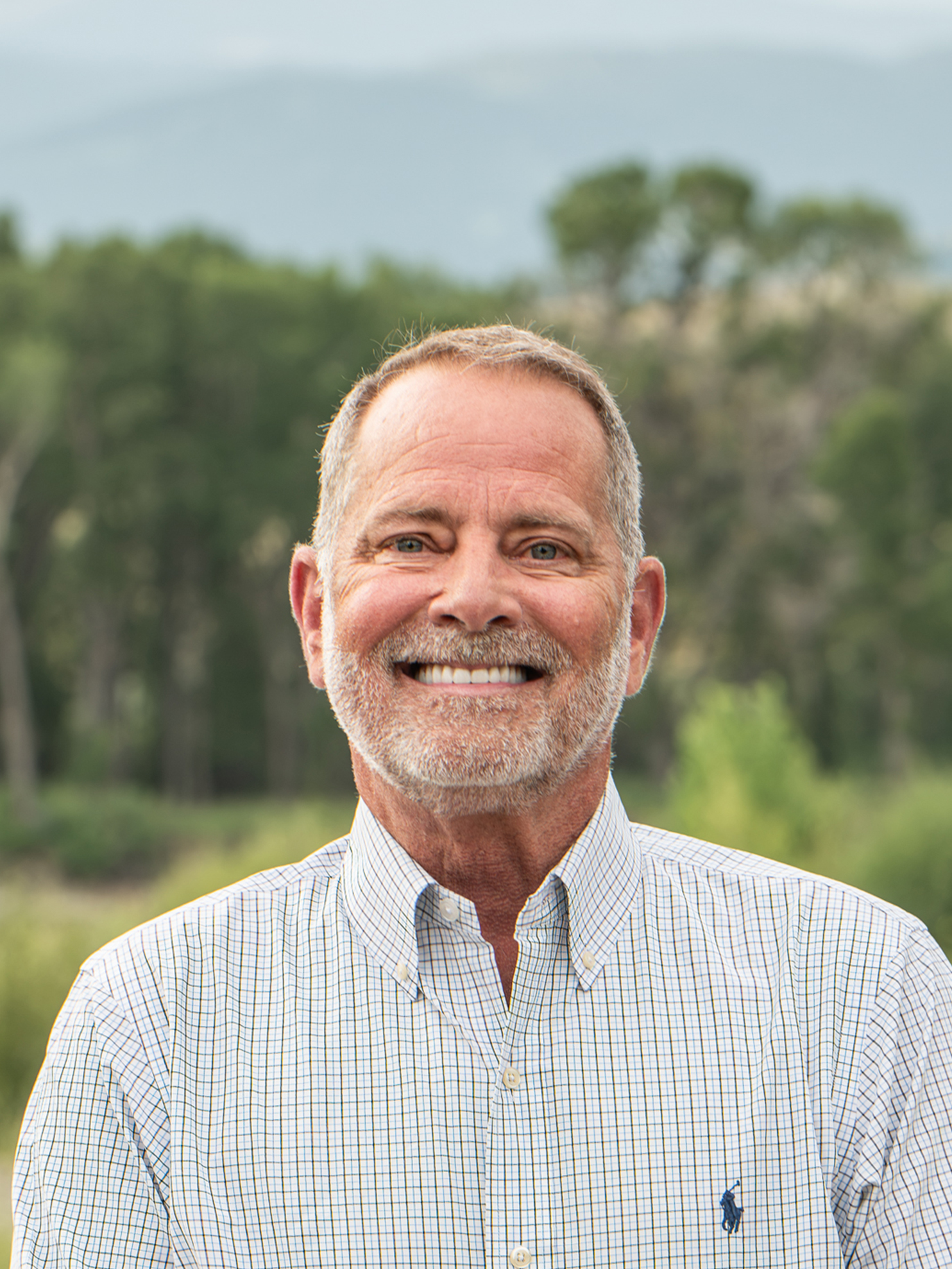
Jeff Vanderpool
Executive Vice President of Manufacturing and Operations
Jeff Vanderpool is the Executive Vice President of Manufacturing and Operations at Graphyte, where he leads the company’s manufacturing strategy, operational execution, and commercialization of durable carbon removal technology.
With more than 40 years as a manufacturing executive, Jeff has built and optimized operations across the high carbon steel wire, industrial wood pellet, and carbon removal industries. He spent 29 years with ArcelorMittal and Kiswire, two of the world’s largest producers of high carbon steel wire, where he led the startup of a new manufacturing facility in Hungary and directed operational optimization initiatives in Austria and South Korea. Prior to joining Graphyte, Jeff served as a senior executive at Highland Pellets, where he led strategic growth initiatives, including the development of a greenfield manufacturing project in Mississippi and the acquisition and integration of Highland’s second manufacturing facility in Arkansas.
Throughout his career, Jeff has led international facility startups, acquisitions, capital projects, and operational transformations while developing high-performing teams. He also serves as Chairman of the Jefferson County Port Authority Board and is a member of the Jefferson County Economic Development Board. His global manufacturing experience and commitment to operational excellence help advance Graphyte’s mission to make durable carbon removal affordable, dependable, and scalable.
Want to join our team?
News Highlights



FAQs
1. WHAT IS CARBON CASTING?
Carbon Casting is Graphyte’s highly-efficient 5-step process. We start by collecting natural biomass like low-value crop residues or wood by-products from timber production. These materials are inexpensive, readily available around the world, and would typically be left to decompose, releasing carbon into the atmosphere.
We then dry the biomass, removing microbes and the water they depend on, stopping decomposition. We turn this biomass into dense carbon blocks, and wrap them in an environmentally-safe, impermeable barrier to ensure that decomposition does not restart. The blocks are stored in state-of-the-art sites with sensors and tracers, enabling robust long-term monitoring. Storage sites can then be used as solar farms, native grasslands, working agricultural land, or similar uses.
Result: The world’s first carbon removal solution that is affordable, durable, and immediately scalable.
2. IS THIS A SUBSTITUTE FOR EMISSIONS REDUCTIONS?
No. The science here is very clear. We need gigatons of carbon removal to meet the targets laid out by the IPCC. These must be a complement to aggressive emissions reductions. Graphyte is focused on working with partners responsibly to ensure our solution is not used as a replacement for direct emissions reduction strategies.
3. NEARLY ALL RESEARCH SAYS WE AREN’T REMOVING ENOUGH CARBON DIOXIDE (CO2) FROM THE ATMOSPHERE RIGHT NOW. HOW DOES GRAPHYTE HELP SCALE THIS URGENT NEED?
Graphyte’s Carbon Casting process provides an immediate pathway for billions of tons of low-cost carbon removal with durability over 1,000 years. We can scale quickly because of a few key features of our process:
- Low technology risk: the Carbon Casting process uses existing, off-the-shelf equipment. These components are already manufactured at scale and have robust supply chains that Graphyte can leverage to quickly deploy our solution.
- Geographic flexibility: Carbon Casting projects can be sited anywhere in the world. These projects do not require specific geologies, temperature and humidity conditions, or novel permitting regimes. This flexibility allows Graphyte to optimize project deployments around availability of biomass supply.
- Cost and capital requirements: Graphyte’s approach requires low capital expenditures and generates carbon removal credits at a price the market is able to afford today.
4. HOW DOES CARBON CASTING DIFFER FROM OTHER FORMS OF CARBON REMOVAL?
Graphyte is the only solution that offers high durability, low cost, and scalability today. While the Carbon Dioxide Removal (CDR) landscape is nuanced, the existing landscape faces challenges across a few dimensions:
- Durability: most carbon projects deployed to date, including nature-based solutions, do not remove carbon for climate relevant timescales of 1000+ years. While these projects can provide benefits, they do not address the need for long-duration carbon removal.
- Cost: many processes are expensive, and require a lot of energy. Carbon Casting is among the most effective carbon removal technology for electricity constrained markets, including the Global South.
- Scalability: many approaches require key technological breakthroughs before they are ready to scale, or are limited to certain regions. Carbon Casting is ready to scale today and can be deployed in nearly any location with available biomass.
5. WHERE DOES THE BIOMASS SUPPLY COME FROM?
Graphyte uses natural biomass like wood by-products from timber production or low-value crop residues. Foresters and farmers all over the world create these materials, and they are often left to decompose and release carbon back into the atmosphere. By deploying our cost-effective carbon casting approach, we enable farmers and foresters to become part of the climate solution.
6. DO YOU NEED TO PLANT OR CLEAR ANY TREES FOR CARBON CASTING?
Absolutely not. We use biomass by-products that have no or only low-value alternative use and would typically be left to decompose. Graphyte uses a standards developed by the Sustainable Biomass Program to ensure there is no indirect land use impact from our process. We work with timber by-product suppliers to meet best-in-class standards around forestry.
7. WHAT WOULD HAPPEN TO THE BIOMASS OTHERWISE?
Graphyte sources materials that have no other high-value uses today and where the carbon dioxide stored in the biomass would otherwise re-enter the carbon cycle on short-time scales in the form of methane or CO2.
The vast majority of biomass leveraged in Graphyte’s process is either burned or left to decompose. Unused wood by-products are often a major issue for timber companies and pile up at their facilities. They are able to sell a portion of this wood waste today to burn in boilers at pulp/paper mills, but significant volumes remain and create a waste management issue.
8. HOW MUCH ENERGY IS REQUIRED FOR CARBON CASTING?
Graphyte’s straight-forward approach preserves nearly all the carbon in the plant material, resulting in lower costs and faster progress towards addressing climate change. It also requires roughly 10% of the energy needed for other carbon removal approaches, thus enabling Graphyte’s process to be deployed across the globe and preserving scarce renewable energy resources for emission reduction applications like electric vehicles.
9. HOW MUCH DOES CARBON CASTING COST?
Graphyte’s levelized production costs are a fraction of competing technologies with minimal energy inputs.
10. WHY IS THIS SOLUTION THE BEST CHOICE FOR MY BUSINESS?
Carbon Casting is the world’s first carbon removal solution that is affordable, durable, and immediately scalable. It’s also a negative-emissions technology that can be deployed in electricity constrained markets, including the Global South. With financial backing from leading climate investors, Graphyte’s Carbon Casting process is set to play a critical role in combating climate change.
11. WHY ARE YOU CALLED GRAPHYTE?
Graphite is the most stable form of carbon. Once we developed the technology to create an extremely stable and durable form of carbon removal, we made a nod to that in the company name. We combined it with “-phyte” because plants are at the heart of the Carbon Casting process, while the hexagonal structure of graphite inspired our logo.