Community Engagement
Graphyte builds in
farm country and timber country:
Sawmill towns, rice-growing regions, forest counties managing wildfire risk.
The carbon we sequester is the byproduct that these communities already produce which is either burned or left to decompose emitting CO2 and Methane into the atmosphere.
Every ton we store moves through a regional supply chain and a local workforce before it get sequestered underground, resulting in local jobs, new revenue for producers, cleaner air and water and reduced fire risk.
A new market for what used to be waste
Timber operations, mills, and farms generate enormous volumes of residue: bark, green sawdust, rice hulls, forest thinnings which are often burned , left to rot, or hauled to landfills. By purchasing this residue, Graphyte creates additional revenue for producers and reduces biomass waste in rural communities.
Local jobs
Graphyte projects are round-the-clock industrial facilities that are staffed by the people that live around them. We hire durable operating roles at above-state-average wages, creating long term, meaningful work in economically underserved communities.
Cleaner air
Most agricultural and forestry residues are burned or left to decompose, leading to short and long-term air quality degradation. Graphyte offers an alternate path for these residues. By using them as feedstock for our carbon casting, we prevent the release of pollutants associated with burning and decomposition.
Cleaner water
Residue that sits in the open doesn’t just affect the air. Rain moving through decomposing wood and storage piles can carry contaminants into local water supplies. Giving that material a defined, engineered end point takes it out of the runoff equation.
Lower wildfire risk
In the fire-prone forests of the West, the residue problem and the safety problem are one and the same. Overgrown stands and accumulated fuel increases wildfire risk while the standard fix of thinning and fuels-reduction treatment generates piles of low-value woody material that land managers struggle to move. Our projects provide a durable outlet for forest thinning and reduce both immediate wildfire risk and downstream consequences like flooding and displacement.
Spending that stays in the region
Graphyte sources heavily from local contractors, vendors, and suppliers. The equipment, fuel, fabrication, and freight are sourced from in-state, and often in-county, firms and often the same county. A facility becomes a reliable customer for many local businesses at once.
Leaving the land better than we found it
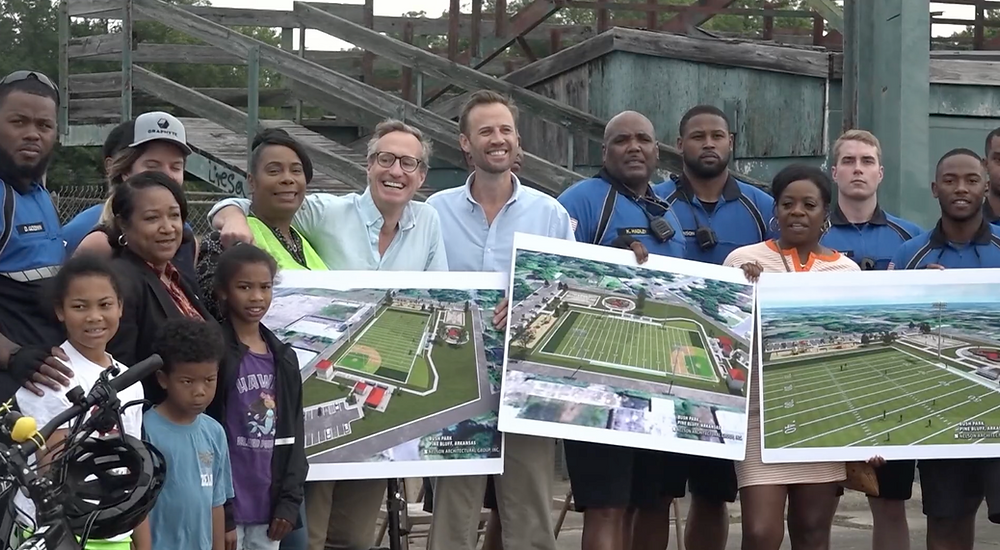
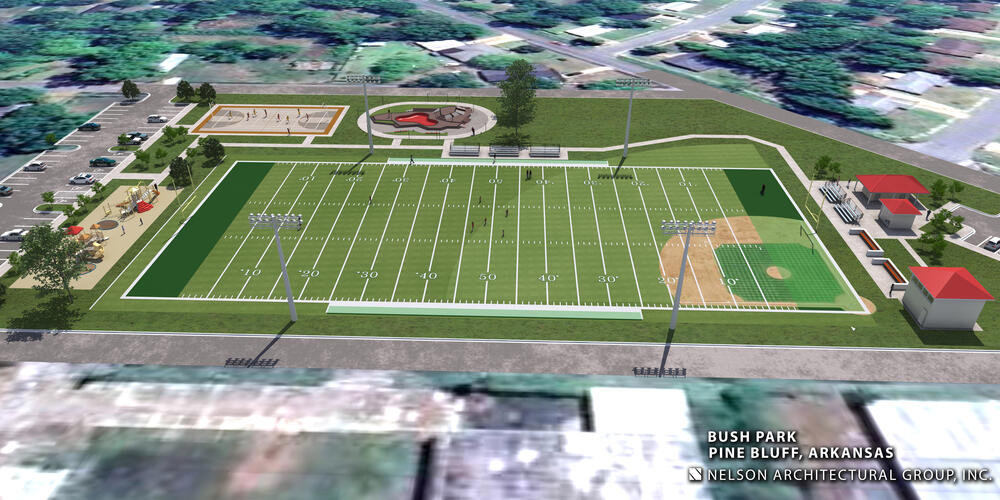
A Graphyte project is something a town is glad to have, during its operating life and long after.. Our projects start by identifying degraded land, unusable for local communities and prime for carbon sequestration. We then work with community stakeholders on a transition plan to turn our sites into a public space once storage activities are complete. These plans are carefully engineered to ensure the integrity of our carbon storage, but can range from bike tracks to wildlife refuges.