Projects
Graphyte operates carbon removal projects across agricultural and forestry regions.
Each project takes in biomass waste, converts it into an inert, high density carbon form and stores it underground.
So, what are the consistent components of our projects?
How the projects capture carbon
The capture happens through photosynthesis. As crops and trees grow, they pull carbon dioxide out of the air and store it in their biomass. When that biomass is burned or left to decompose, which is typically what happens to agricultural and forestry residue, the carbon returns to the atmosphere.
Our projects prevent that. We collect the residue, process it through Carbon Casting into a dry, stable solid, and place it in engineered subsurface storage. The carbon that the plants captured stays in the ground, and we measure the amount directly rather than estimating it with models.
Feedstock
The projects run on biomass waste from farming and forestry: crop residue, forestry and sawmill byproducts, and similar material that would otherwise be burned or landfilled. The process is not tied to a single feedstock or region, so we site projects where suitable biomass is already being generated. This is a large part of why the model scales — the input is abundant and widely distributed.
Technology and track record
The technology is in commercial operation, not testing. To date we have already delivered 10’s of thousands of tons of carbon removal from operating facilities, for customers including JP Morgan, BlackRock, and Bank of America. Each project uses the same process, which makes new projects faster to build and lowers cost as we add capacity. We have a proven path to be able to delivery millions of tons of carbon removal.
Working with agricultural and forestry communities
Projects are located in the farming and forestry regions that supply their feedstock. Growers, mills, and landowners are paid for residue that previously cost them money to dispose of, and the projects create local jobs and ongoing investment in the surrounding area. The intent is for a project to function as a long-term local operation, not a temporary presence.
Storage sites
We store carbon at sites that have already been used and have limited alternative use, such as closed mines and spent quarries. Using this kind of land avoids disturbing undeveloped ground and puts degraded sites back into productive use.
Active Projects
-
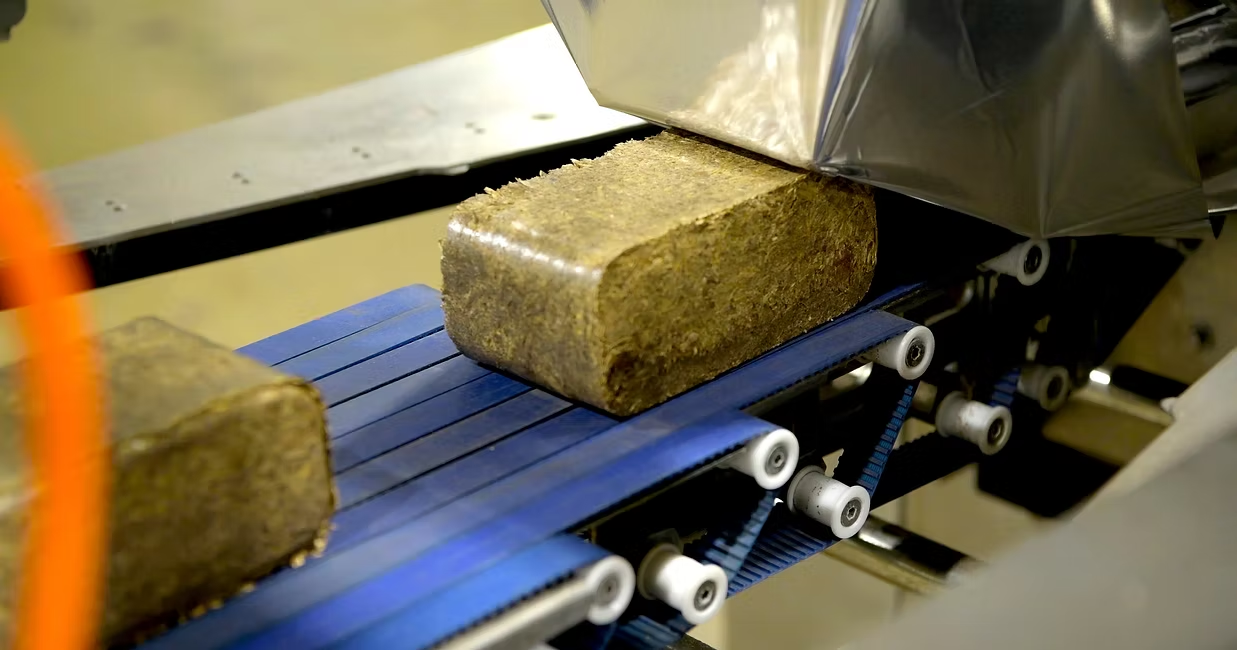
Loblolly
Pine Bluff, Arkansas
Loblolly is Graphyte’s first Carbon Casting project and the site where the process moved from concept to commercial operation. It sits in Pine Bluff, in the middle of an Arkansas biomass hub surrounded by working timberland and rice production. The project began operating in April 2024 and has run continuously since, acting as the reference point for every project we’ve built since.
Feedstock
Residual rice hulls
Capacity
40,000+ tons a year
Co-Benefits
Rating(s)
-
Ponderosa
Coconino County, Arizona
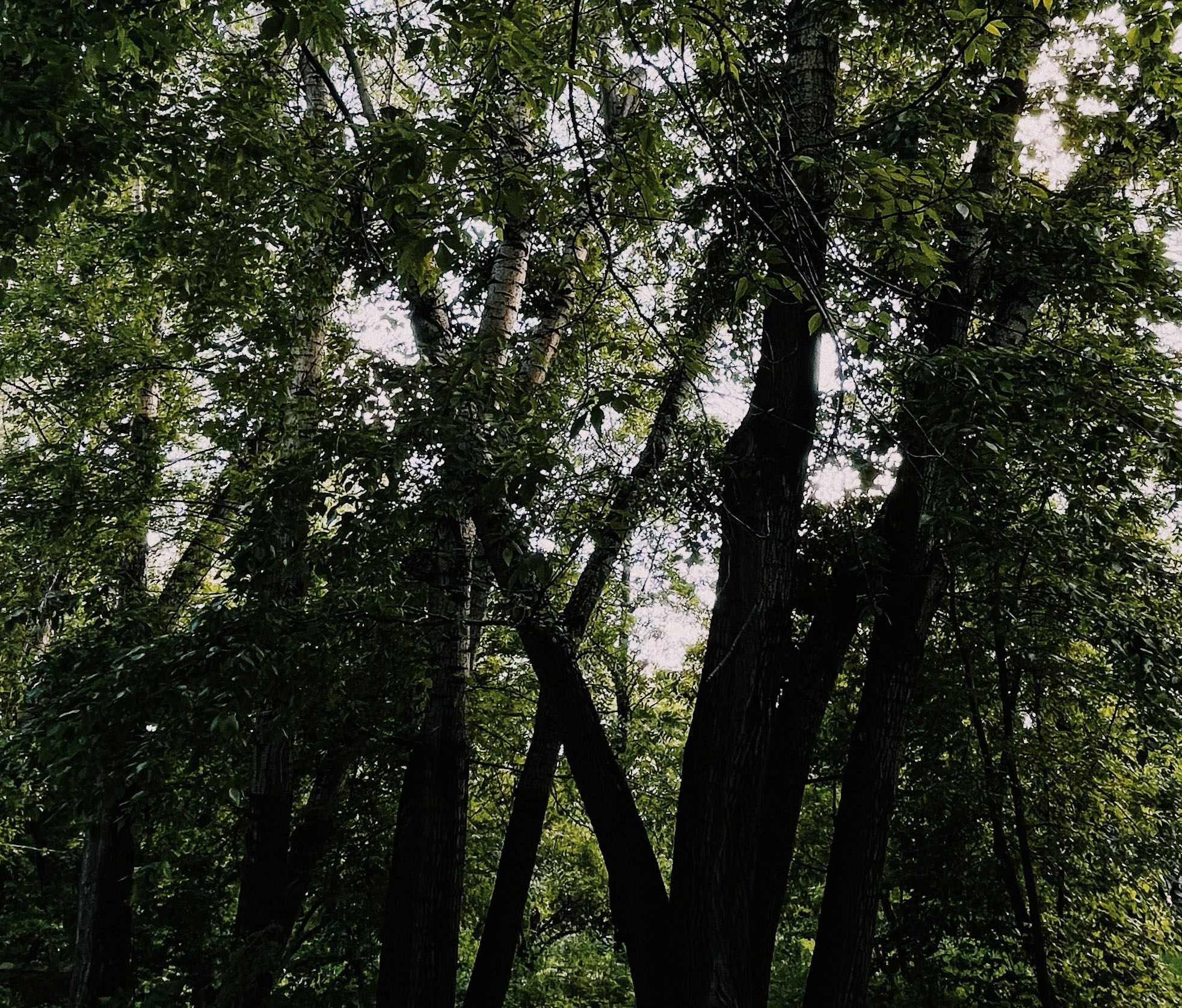
Ponderosa is Graphyte’s first project built around Western wildfire risk. It sits near Flagstaff, in the middle of the Four Forests Restoration Initiative. More than two million acres of ponderosa pine and piñon-juniper that the U.S. Forest Service and the State of Arizona are actively thinning to reduce the threat of catastrophic fire. That work leaves behind enormous volumes of woody residue. Graphyte turns this residue into permanent carbon removal. The project is in development, applying the same Carbon Casting process now proven at our Loblolly facility in Arkansas and due to launch in Q1 2027
Feedstock
Residual wildfire thinnings
Capacity
300,000 tons a year
Co-Benefits
Rating(s)
Be Catalytic
For buyers whose purchase is meant to build something.
Under Development
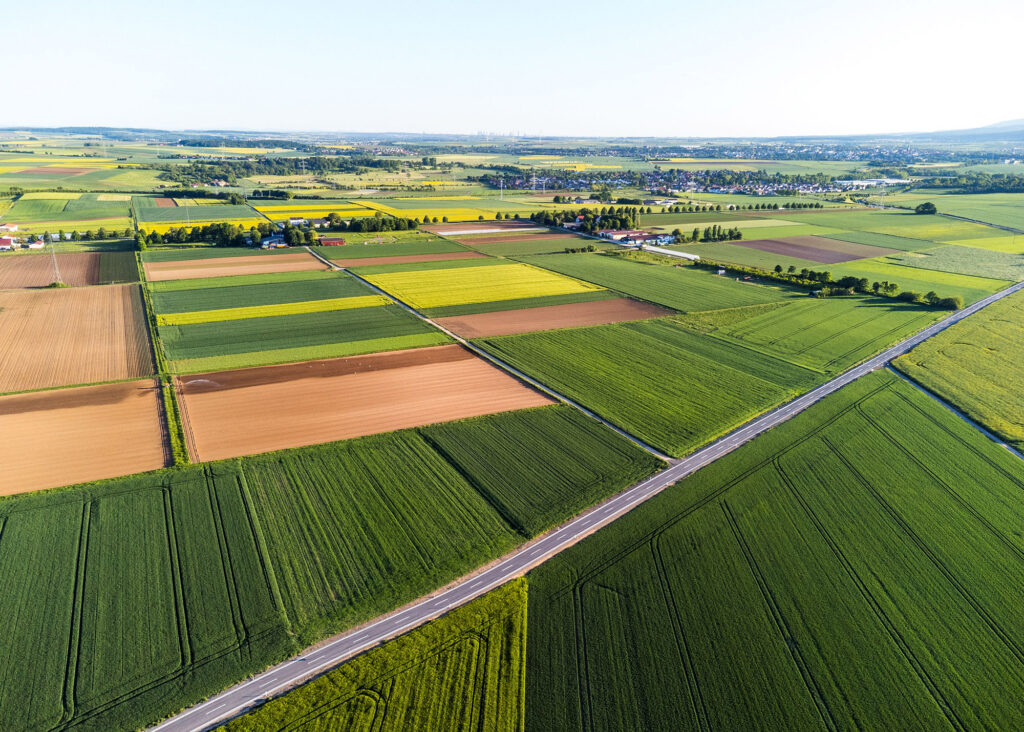
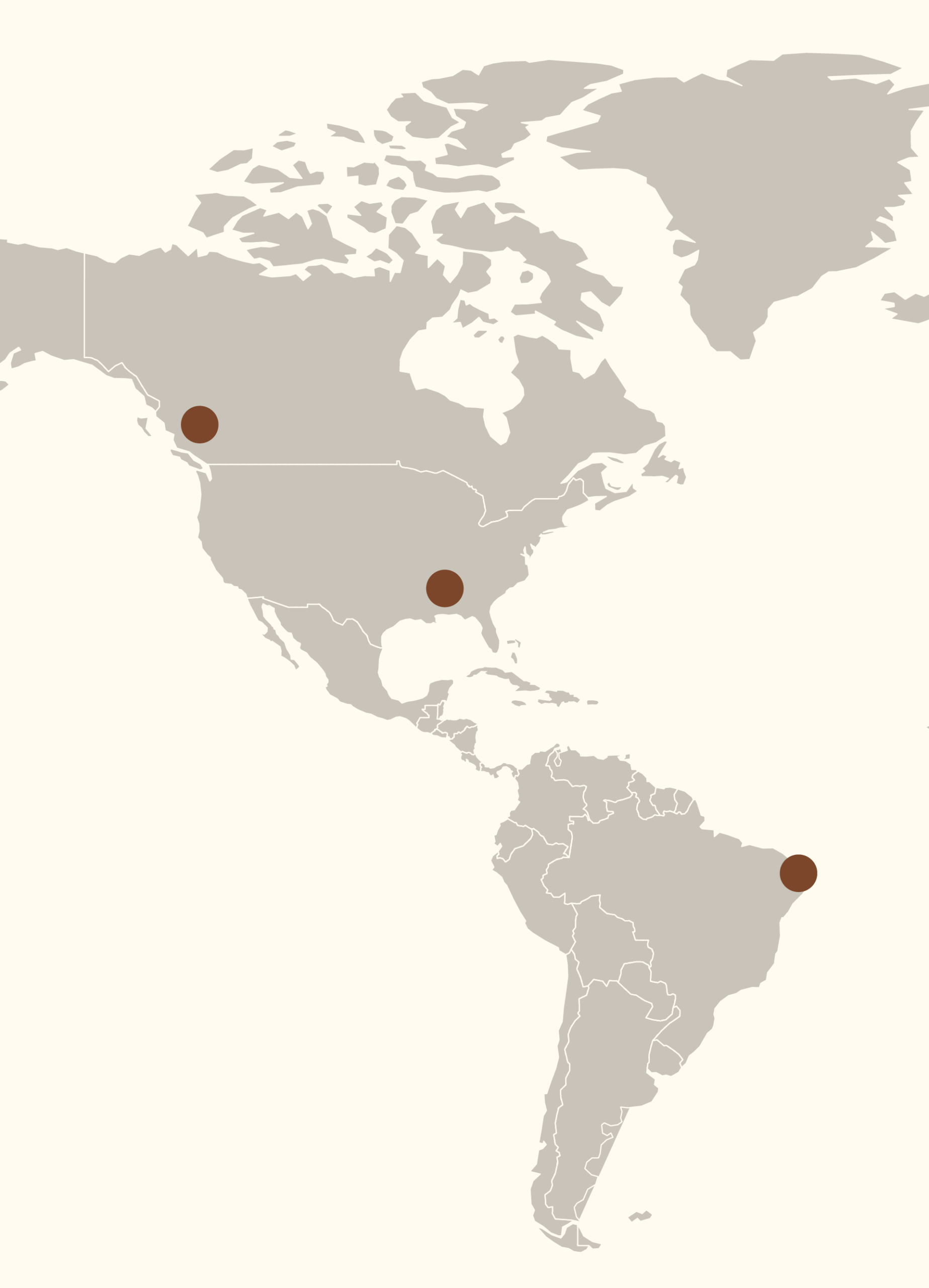
Graphyte is built to scale. Meeting demand for durable carbon removal at the volumes buyers need means developing several projects at once, not one at a time — so we run a pipeline of projects in active development across North and South America. Each one takes shape inside an existing agricultural or timber supply chain, converting residue that is currently burned, left to rot, or hauled away at the producer’s expense into durable carbon removal. And each one moves at the speed of committed demand, which is where buyers come in. Select a marker on the map to see a project, or read how being catalytic shapes what gets built.